|
|
|
|
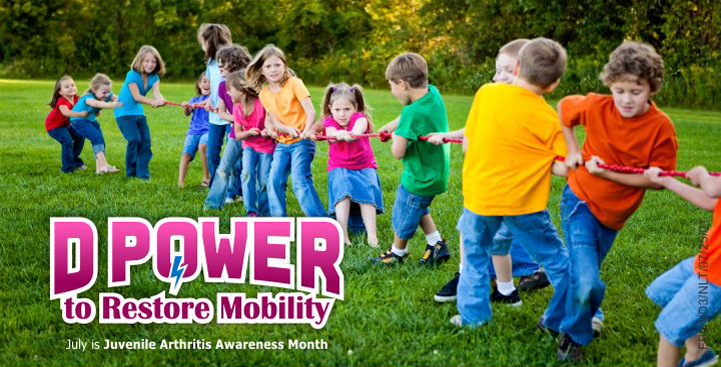
Vitamin D is critical in regulating bone remodeling processes, calcium absorption and maintaining the skeletal muscle system. Vitamin D levels in both children and adults are becoming the subject of research more often as its insufficiency is linked to juvenile arthritis in children & adolescents and several bone & joint diseases in adults. Fermenta, a leading manufacturer of Vitamin D, presents this D-Essence Newsletter to highlight the latest research on the Role of Vitamin D in Bone and Joint Health.
|
|
|
Vitamin D supplementation can be a targeted therapy in juvenile idiopathic arthritis
|
|
Vitamin D levels were assessed in a systematic review and meta-analysis of 10 studies with 5,542 participants, consisting of those diagnosed with juvenile idiopathic arthritis (JIA) and healthy children as control. Overall, patients with JIA had a lower mean Vitamin D level of 22.8 ng/mL compared to controls with a mean level of 26.2 ng/mL. The subsequent random-effects model found an overall effect size (standardized mean difference) of -0.49, signifying a statistically significant association between Vitamin D and JIA. Vitamin D may be a modifiable risk factor for JIA that can be targeted for therapy.
|
| Zang K et al. Nutr Rev. 2025 Jul 1;83(7):e1362-e1371
|

|
|
|  |
|
|
|
Low Vitamin D is possibly related to higher disease activity & lesser muscle mass in juvenile arthritis
|

|
|
A cross-sectional study investigated the association of Vitamin D with disease activity, muscle mass and physical activity in 70 young adults with juvenile idiopathic arthritis (JIA). Around 94% JIA patients had Vitamin D deficiency (63%) or insufficiency (31%). Patients with low Vitamin D had 3-fold significantly higher disease activity as indicated by the Juvenile Arthritis Disease Activity Score (JADAS27). In terms of muscle indicators, those with low Vitamin D had 6.3 kgs, 3.8 kgs, 1.3 kg/m2 and 4 kgs of lesser total & appendicular lean mass, skeletal muscle mass index and handgrip strength, respectively. Vitamin D deficiency was also related to poor physical activity level among JIA patients.
|
| Kulyk M et al. Proceedings of the Shevchenko Scientific Society. Medical Sciences. 2024;2(76) |
|
|
|
|
|
Vitamin D supplementation might improve fracture healing among children
|
|
|
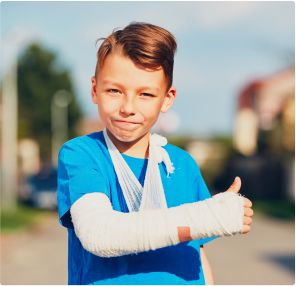
A 4-year prospective study evaluated the effect of Vitamin D on the speed and quality of fracture healing among 63 children (36 supplemented, 27 non-supplemented). Vitamin D levels increased significantly in the supplemented children within 1 month vs. non-supplemented children (+9.2 vs. +1 ng/mL). Fracture healing was analyzed using the RUST (Radiographic Union Scale for Tibial fractures) and modified RUST (mRUST) schemes. Vitamin D supplemented children showed significantly faster and better fracture healing at 3 months (RUST 11 vs. 9.9; mRUST 14.9 vs. 13.8), signifying that Vitamin D can be crucial for pediatric fracture healing.
|
| Hendrych J et al. J Child Orthop. 2024 Nov 16;19(1):29-47
|
|
|
|
|
|
|
|
Disclaimer: The contents of this issue of ‘D-essence’ have been developed by FourC Healthvistas Pvt. Ltd. for Fermenta Biotech Ltd. (and its group companies) from information published in literature or sources as cited. The information presented in this publication is for general information and educational purpose only, and it shall neither be considered as any claim, nor as a substitute for professional medical advice, nor is intended to diagnose, treat, cure or prevent any disease. Although a great care has been taken in compiling and checking the information, it has not been evaluated by United States Food and Drug Administration or any authority. The authors, FourC Healthvistas Pvt. Ltd., Fermenta Biotech Ltd., and their respective employees, directors, managers, agents & sponsors shall not be responsible and in any way liable for any errors, omissions or inaccuracies in this publication, whether arising out of negligence, mistake or otherwise, and for any consequences arising therefrom.
|
|
|
|
For more information, please visit our public awareness initiative
|
|
|
|
|
|
All Rights Reserved Fermenta Biotech Ltd.
|
|